
Skip to main content Accessible Version
Full & Partial Dentures
A healthy, beautiful smile starts here

Full & Partial Dentures | Dentist
Improve your smile today – call to schedule a consultation!
Claim Now!

Full & Partial Dentures

Missing, broken, and loose teeth are embarrassing when smiling and a nuisance when eating. Dr. Jordan and his team have made numerous partial dentures and complete dentures for patients in the Brookings area. Replacing your missing teeth will make you confident enough to smile without hesitation around your friends and family.  Partial and Full Dentures start at $2,000 for either the lower or upper teeth. 

How Dentures Work

A partial denture is a removable appliance made to replace one or more teeth. This appliance hooks onto the strong teeth you already have. A great advantage of partial dentures is that the cost is the same if you are replacing two or twelve teeth. Partial dentures are an excellent tooth replacement option when there is not enough bone for dental implants to be placed. Possible alternatives to partial dentures are bridges and dental implants. 

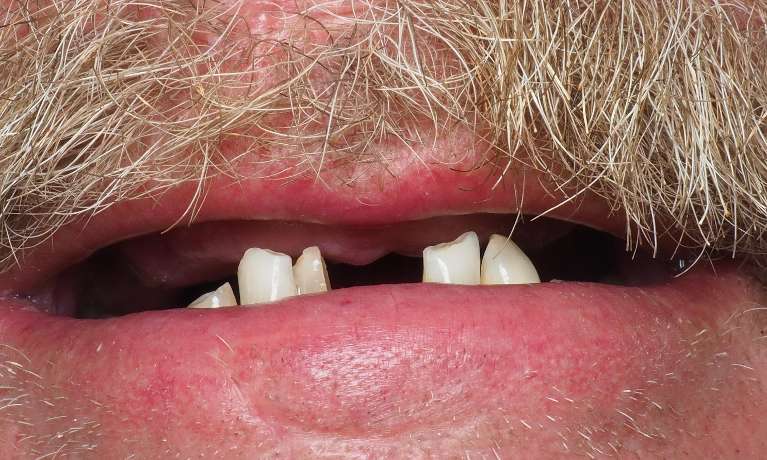
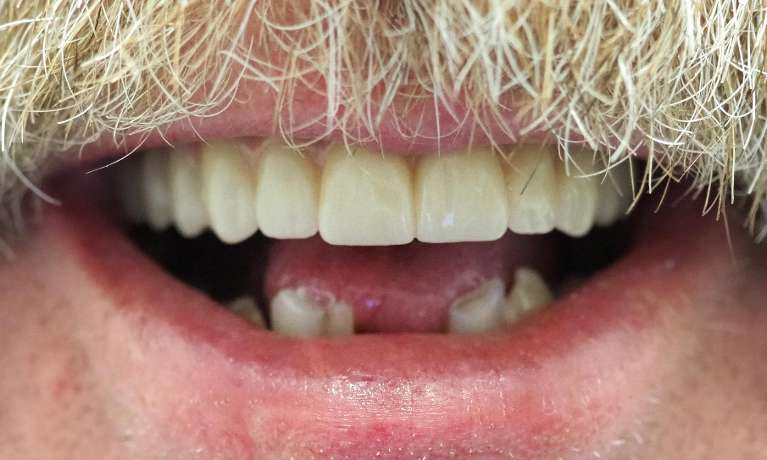
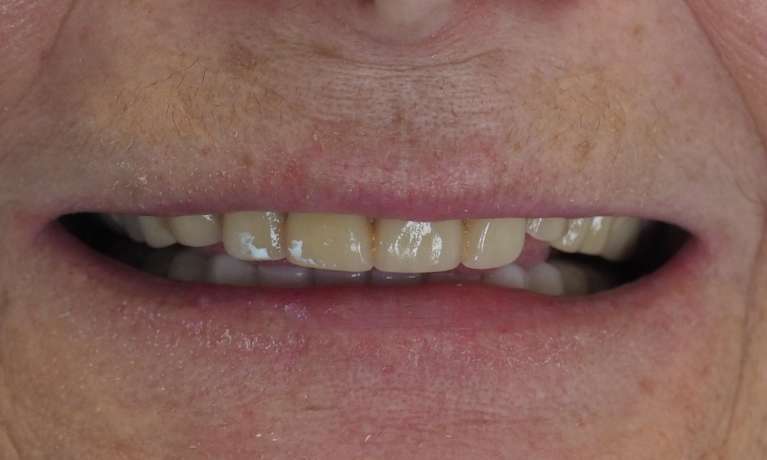
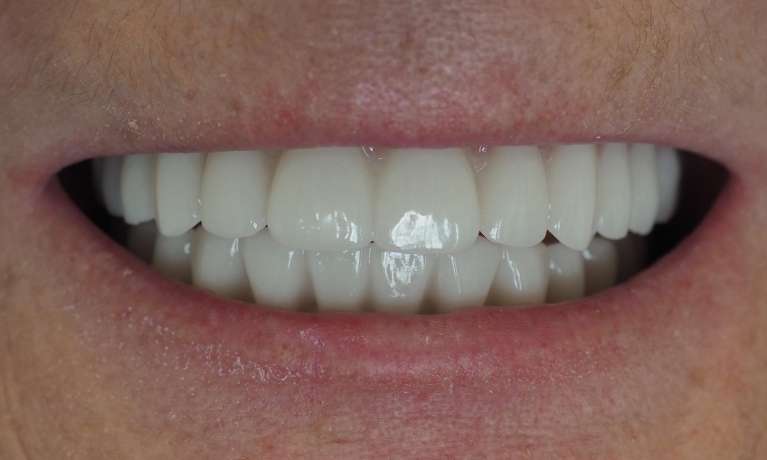
Complete dentures replace all of the teeth in one or both upper and lower arches. Many Americans have dentures and are able to successfully eat and speak with them. Dentures can be made to look natural, and the size, shape, and color of the teeth can be chosen to mimic the smile you once had. Please see the examples of the dentures we have made for our patients in the “Smile Gallery” section of our website. Possible alternative treatment options to dentures are implant supported or retained dentures.

At your first visit to discuss a partial or dentures, we will examine your mouth and discuss your desires and goals. If necessary, we will request x-rays from your previous dentist or take new ones if appropriate.

Once we have developed a plan that will meet your expectations, we can begin making the full or partial denture. Before we begin making a partial denture, any gum disease you have needs to be treated, and any cavities filled. If you have any teeth that are in really bad shape, they must be removed. Since these appliances are customized to your mouth, it will likely take three to five short visits to make your appliance.

Caring for Dentures

Both partial dentures and complete dentures need to be routinely cleaned and cared for. Since the remaining teeth under a partial denture are crucial to the stability and retention of the appliance, these teeth will require excellent home care and regular dental cleanings and exams. Dentures should be cleaned daily and neither appliance should be worn at night. The gums can become irritated, and infection can result from unclean dentures or wearing your partials at night. 

Please Call for an Appointment

Broken, loose, and painful teeth don’t have to slow you down any longer! Call Lone Oak Dental today to schedule your appointment to discuss removing and replacing bad teeth with partials or dentures. We are excited to help you transform your smile and improve your dental health. 
Frequently Asked Questions

Over time, our bodies change, including our mouths. When dentures are made, a mold is taken of your mouth and the denture is made to fit that mold. As your mouth changes throughout life, that denture fits your mouth less and less. If the change is minimal and the denture moves slightly or has lost its retention, a reline can be done. A reline adds more pink denture material and fills in the areas where your bone and gums have shrunk. If a dramatic change has occurred in your mouth or your bite has changed, a new denture is most likely needed.

The teeth that are placed in a denture will wear down as you chew, especially if the opposite arch has existing teeth. For example, if you wear an upper plate and have natural teeth in your lower jaw, your upper denture teeth will wear more. As a result, you can expect to have a new upper denture replaced more often than someone who has both upper and lower dentures.

Most people that have upper dentures do not have problems keeping their plate in because the palate allows for suction to be created. However, many people that wear lower dentures have poor retention because no suction can be created. In these situations, dental implants are the best solution. Implants can used to anchor the denture or support an entire set of teeth.

Mini dental implants are smaller in diameter than conventional implants.  Most traditional implants are 3.5 to 6 mm in diameter where as mini implants are less than 3 mm in diameter.  These smaller dental implants are great when used to stabilize or anchor a denture.  They are often used when the jaw bone has decreased in size over time and traditional implants cannot be placed without extensive bone grafting.  Due to their smaller size, these fixtures cannot take as much force and should not be used when replacing a single tooth or anchoring a dental bridge.  When possible, Dr. Brad Jordan prefers to use traditional implants.  

Partial dentures are an option to replace one or more missing teeth.  They have been used for decades after the removal of decayed, broken and loose teeth.    Replacing these missing teeth is beneficial for chewing, stabilizing your bite and appearance.  A partial denture is still a viable option and usually very affordable way to substitute your teeth.  

Other options to replace missing teeth are bridges and dental implants.  Dental bridges require the use of two solid teeth on either side of the empty space.  Bridges require no surgery to the bone or gums and can often be made within 1 month.  At Lone Oak Dental, we use newer materials which ensure that the bridge is strong yet beautiful.  

Implants can be used to replace one, two or multiple missing teeth.  The technology with these prostheses is very advanced and rapidly evolving giving us new options all the time.  Dr. Jordan prefers to replace teeth using dental implants as it does not require removing healthy tooth structure and there is no chance for decay.  In addition, most patients tell us that implants feel more natural than partials and bridges.  

Please contact our office today in Brookings if your partial is in need of replacement or your are considering other options.   


Immediate implants can be a great solution when the situation allows.  In order to be able to do this, there must be adequate bone around the failing tooth, the tooth cannot have a large infection around it and the implant must be placed so that it is stable and does not move.  The best situations for immediate implants are when dentures are planned, for back teeth that have a single root and when the remaining root is short.  Dr. Jordan has placed dozens of immediate implants, please contact us for a consultation!


Are you tired of your dentures being loose, causing sores or falling out in a social situation? There is hope! The All on 4 procedure provides a the solution to allow you to order whatever you want off the menu, to have confidence in your smile and to get rid of the plastic on the roof of your mouth.


The All on 4 procedure is a surgical and restorative protocol where all the teeth in one arch are supported by four dental implants.  This treatment option can be used in both the upper and lower jaws. Usually, two dental implants are placed toward the front of the mouth and 2 dental implants are placed towards the back of the mouth. The posterior implants are often angled to avoid either the sinuses or the nerves.


The All on 4 procedure is versatile in that it can be used if the teeth have been removed or if the teeth are still present.  In some situations, the teeth can be removed, the implants inserted and the artificial teeth screwed in during the same day!


A fully fixed restoration supported by 4, 5 or 6 dental implants is the closest substitute for real teeth that dentistry is able to offer today.  The teeth are screwed into the implants and can only be removed by a dentist.

 
The All On 4 procedure is also known as All on 6 and "Teeth in a Day".

Meet Our Doctor:

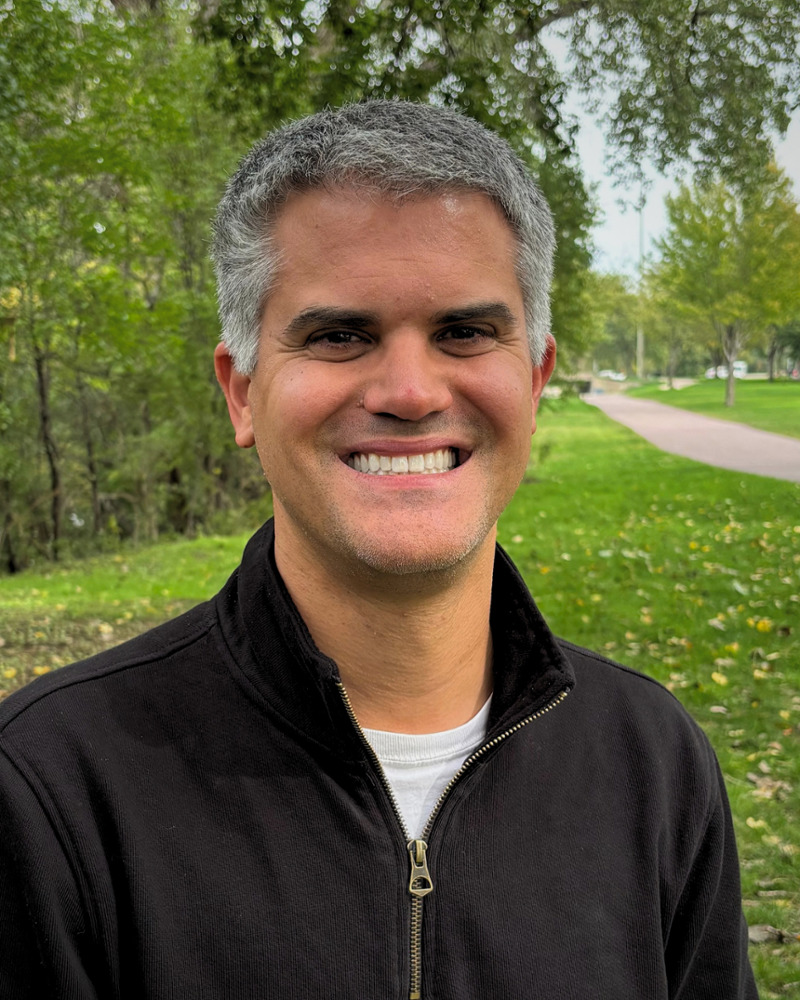
Dr. Bradley Jordan
Dentist and Owner

I grew up in Stillwater, Minnesota. My dental degree is from the University of Minnesota, where I graduated third in my class. After dental school, I had the privilege of completing an Advanced Education in General Dentistry residency in San Antonio, Texas. This intense program gave me the training needed to confidently complete difficult procedures such as implants, cosmetics, full mouth reconstructions, and sedation dentistry. One of the greatest aspects of this program was that we treated U.S. Veterans and it allowed me to give back to those ...

Getting an appointment is fast and easy!
Get Started!